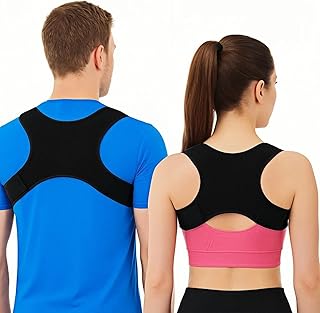
In today's digital age, poor posture is a widespread issue, leading to chronic pain, reduced mobility, and a hunched appearance. A Posture Corrector can be a game-changer, offering gentle, consistent support to retrain your muscles and realign your spine. These devices are more than just braces; they are tools for building better habits and finding lasting relief from discomfort.
Understanding the Benefits of Posture Support
The primary goal of any posture aid is to counteract the slouching and forward head posture common in desk jobs and smartphone use. By providing external support, a back brace reminds your body to maintain a neutral spine position. This can lead to significant pain relief for the upper and lower back, neck, and shoulders. Over time, consistent use can help correct a hunchback (kyphosis) and improve overall spinal alignment, contributing to better breathing and increased energy levels.
Key Features to Look For in a Quality Posture Corrector
Not all posture correctors are created equal. When choosing one, consider these essential features:
Adjustability: A one-size-fits-all approach rarely works for body support. Look for an adjustable posture brace like the HLOES Posture Corrector or the KNXWALT Posture Corrector. These allow you to customize the tension for a snug yet comfortable fit that provides effective support without restricting movement.
Breathability and Comfort: You'll likely wear the device for several hours. Materials like breathable mesh are crucial to prevent sweating and skin irritation. Many modern braces, such as the Upgraded Breathable Full Back Support model, prioritize comfort with lightweight, airy fabrics.
Targeted Support: Identify your main area of concern. Some braces focus on the upper back and shoulders (an adjustable shoulder straightener), while others offer full lumbar support extending to the lower back. For conditions like scoliosis or thoracic issues, a brace with broader coverage may be necessary.
Top Picks for Effective Posture Correction
The market offers a variety of effective options tailored to different needs. For those seeking an invisible posture aid that can be worn discreetly under clothing, the Fit Geno Posture Corrector Invisilite and the Vaunn® Back Correction Belt are excellent choices designed to be undetectable.
If you require comprehensive support and have FSA/HSA funds, the Kepwaa Posture Corrector is FSA & HSA eligible, making it a smart investment in your health & wellness. For a comfortable posture aid with enhanced padding, consider the UltraSupport+ Posture Corrector.
It's always wise to read detailed evaluations before purchasing. Comprehensive resources like the Ultimate Guide to Posture Correctors or specific product reviews can provide invaluable insights into real-world performance and comfort.
How to Use a Posture Corrector for Best Results
To maximize benefits, start by wearing your posture support device for short periods (30-60 minutes) daily, gradually increasing the duration. It should feel supportive but not painfully tight. Combine its use with strengthening exercises for your core and back muscles. The corrector provides passive support, while exercise builds the active strength needed for long-term posture improvement. Remember, it's a training tool, not a permanent crutch.
Choosing the right posture corrector can be a pivotal step toward alleviating neck pain relief and shoulder pain relief, and achieving a healthier, more confident posture. By focusing on adjustability, comfort, and targeted support, you can find a device that seamlessly integrates into your daily routine and helps you stand tall. For more guidance on usage and selection, explore the Posture Corrector Usage Guide.